
A Simple Guide About Your Child's Stay in the Pediatric Intensive Care Unit
By Admin · Content Admin
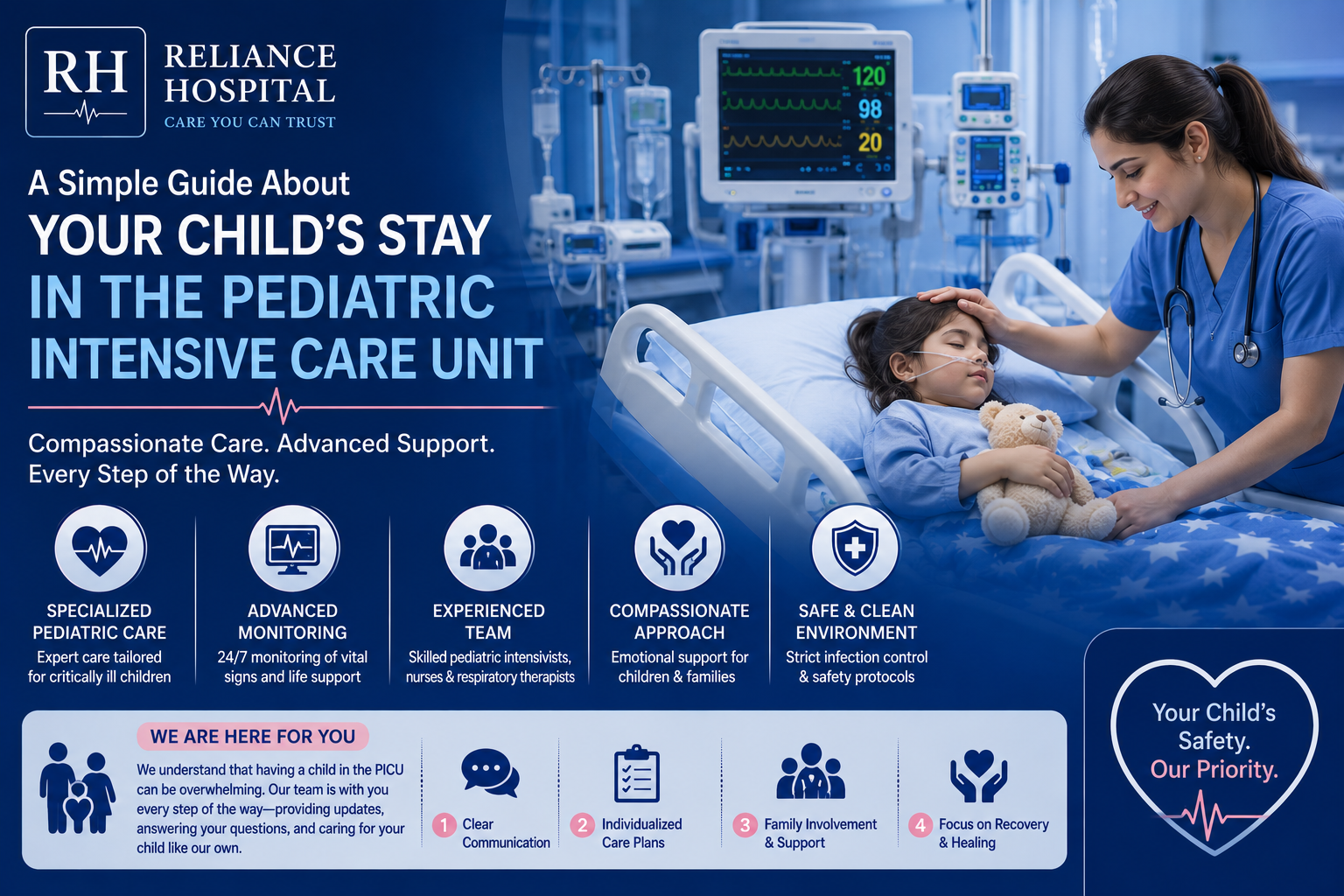
The first thing you should know is “What is the PICU?" The paediatric intensive care unit (PICU) is just like the intensive care unit (ICU) for adults in the hospital. The only difference is that it’s the place with the advanced level of care for children under the supervision of child specialist staff.
This unit of the hospital is specially designed for children to provide them the best treatment with care. The machinery and all other facilities of the PICU are most suitable for children to make the environment more friendly.
Who Gets Treated in the Paediatric Intensive Care Unit?
Most of the time, the children of the age of 18 or younger, including newborn babies, get treatment in PICU. But in certain cases, few people need to be treated in PICU even if they are older than 18 years.
Few hospitals provide care to the newborn babies in a unit called the neonatal intensive care unit (NICU). It is an ICU specifically designed for newborn babies. If the facility of NICU is not available, then newborns as well as infants are treated in the PICU.
Differences between PICU & NICU
The major difference between both of them is age group. The PICU gives treatment and care to children up to age 18. NICU provides services for newborn babies having critical medical conditions at the time of birth.
If the baby is suffering from respiratory problems, sleeping issues, very low birth weight (which may affect their organs), heart defects or failure, infections or bleeding in the brain, then the baby will be treated in the NICU of the hospital. The PICU patients include problems like epilepsy, Cancer, accidental injury, diabetes complications, etc. Constant care and attention are provided to the children in critical conditions.
Differences between PICU & MICU
PICU provides constant care and attention to the children up to 18 years old who are critically ill. On the other hand, the medically intensive care unit (MICU) provides services to patients of all ages who have serious medical conditions but aren’t critically ill. It is basically the subunit of ICU.
For how long do children usually stay in the PICU?
The duration of a child's stay in PICU depends on the condition. Most of the time the stay is only for one or two days, but if the condition is more critical, it may last for weeks or months. The studies showed that only 1% to 4.7% of patients stayed in PICU for more than 12 days. It means that a prolonged stay is rare.
PICU in Reliance Hospital, Islamabad
Care for newborns, infants, and children is done at Reliance Hospital, which provides specialised paediatric care through its paediatric department, with experienced paediatric specialists and emergency support. The hospital also lists a dedicated NICU for newborns and provides 24/7 round-the-clock availability through its paediatric department.
Here the critical patients are taken care of with the proper monitoring and emergency response as well as infection control protocols.
The staff of Rellaince Hospital includes the following:
Dr Jawad Ahmed Khan is a dedicated paediatric medicine consultant. He has more than 10 years of experience in comprehensive child healthcare and development
As well as ,
Dr Syed Shadab Ahmed is a specialist in children’s diseases, vaccines, and infections
Members of PICU in Reliance Hospital, Islamabad
The members of the PICU are specialised in children’s intensive care. The staff of the PICU includes the following members:
PICU nurses:
The PICU nurses are highly trained in paediatrics and ICU care. They work closely with the child as they are monitoring vitals, IV pumps, feeding tubes, and procedures like CPR, etc. The PICU nurses provide the best care to your child because they have fewer patients as compared to other departments.
PICU attending:
The PICU attending is the senior paediatric intensivist doctor. They overlook the department and supervise the nurses, fellows and residents. They are responsible for monitoring the overall treatment of your child and communicating with other specialists about the patient’s condition.
PICU residents and fellows:
PICU residents are the medical students doing general paediatric training after their coursework. They get training to become paediatricians. After completing residency, the paediatricians do specialised training in paediatric critical care and are called PICU fellows. Once the training is completed, they become paediatric intensivists.
Other Doctors:
Many other doctors also come to PICU for the treatment of the children according to their needs. Different types of specialist doctors, like cardiologists, neurologists, pulmonologists, etc., visit the PICU for the critically ill patients.
Physical therapist:
Paediatric physical therapists take care of the child suffering from mobility issues. They assist children to move, sit and walk. It prevents complications like joint stiffness and muscle loss during a prolonged stay.
Social workers:
The social workers help parents find suitable places to live while their child is in PICU. They provide emotional support to the family. They provide them plans for the child’s health after discharge from PICU.
Child life specialist:
They help children to understand and overcome the fear regarding what is going to happen in hospital.
What Is a Day in the PICU Like?
In PICU, the medical team daily takes rounds in the morning and evening to check the condition of the child and suggest changes in medication or care plan if needed. During rounds they check every patient on a daily basis.
In some hospitals, family members are not allowed to stay in the PICU during medical team rounds to protect other patients' privacy. But few hospitals encourage families to participate in daily medical rounds. If someone is not available during the team round, the doctor will update you about the patient's condition later on.
During the child’s stay in PICU, you always wanted to be with your child, but the doctors or experts encouraged you to take breaks. Because if you stay there 24 hours of the day, you may fall ill. Overnight stays of parents in the PICU vary by hospital policy. The relatives are allowed only during visiting hours. Other children are prohibited from visiting PICU to avoid spreading germs because of their weak immune systems. You are suggested to wear a mask or gloves while in the PICU.
What equipment do doctors use in the PICU of Reliance Hospital?
Some children in the PICU need extra medical support. Doctors use machines and devices to help keep them supported. Some of the equipment you might see includes:
Children in the PICU need extra care and medical support. The advanced machines and devices are used for treatment at Reliance Hospital, Islamabad. Most commonly used devices include are intravenous catheters (IVs) and central lines, monitoring devices, breathing devices, testing equipment, etc. Intravenous catheters are used to inject fluid and medicines directly into a child's body. IF we want to inject more volume, then central lines are used. Monitoring devices are used to constantly notice the heart rate, pulse rate, breathing and blood pressure. The leads of the monitoring device are connected to the child's chest with painless stickers. The device called a pulse oximeter is used to check the oxygen level. Some kids face breathing issues; the doctors provide them oxygen by mask or nasal cannula. In some cases, children suffer from severe breathing problems, so doctors shift them to a ventilator. The patients also go through medical tests like imaging tests, like X-rays, MRIs, or ultrasounds, and lab tests may include urine or blood tests.
What Happens When Your Child Leaves the PICU?
Children are shifted from PICU to wards or private rooms for medical assistance once their condition becomes better. In some cases, children are directly discharged from PICU and move home. Before leaving the PICU, discuss the medications and care the child needs for betterment with the PICU staff. Most of the time children need follow-up and therapies.
Frequently asked Questions
Can parents visit their child in PICU?
Yes, parents can visit 24/7 in the PICU while following all the infection control protocols of the hospital, and at Reliance Hospital the staff communicates with the family openly and tells them about every treatment plan and medical condition.
What is the age range for PICU?
The normal age range for a Paediatric Intensive Care Unit (PICU) is from 1 month old up to 18 years old, though policies vary by hospital and some units treat patients up to 21 or young adults with congenital or childhood conditions.
What kind of children may need PICU care?
Children with serious infections, severe breathing problems, major injuries, complications following surgery, or other conditions requiring continuous monitoring or intensive medical support may need PICU care.
Does Reliance Hospital have 24/7 emergency support?
Yes. Reliance Hospital states that its Emergency Patient Department operates 24 hours a day and provides immediate care for patients with critical or urgent conditions. The hospital also lists an ICU, NICU, 24/7 ambulance service, pharmacy, and diagnostic facilities among its services.
Conclusion
Admission of a child in the PICU is stressful, but knowing the condition of the child from the specialists and being aware of all the treatment plans make it helpful for the family and make them feel more prepared. For the families looking for the good paediatric care unit for their child in Islamabad and Rawalpindi, Reliance Hospital is a good option for them due to their 24/7 vitals monitoring service, all the specialists under one roof and round-the-clock monitoring as well as friendly and supportive behaviour towards the patient as well as their parents.
Along with PICU, Reliance Hospital also provides the facilities of ICU and NICU to deal with every critical situation.