
Menopause Treatment in Islamabad: Managing Symptoms & Staying Healthy
By Dr. Hira Tanveer · Gynaecology & Obstetrics
Menopause Treatment in Islamabad in Reliance Hospital is done under special care by our professionals which includes regular sessions, medications, therapy, exercises and other things that can ease out the body
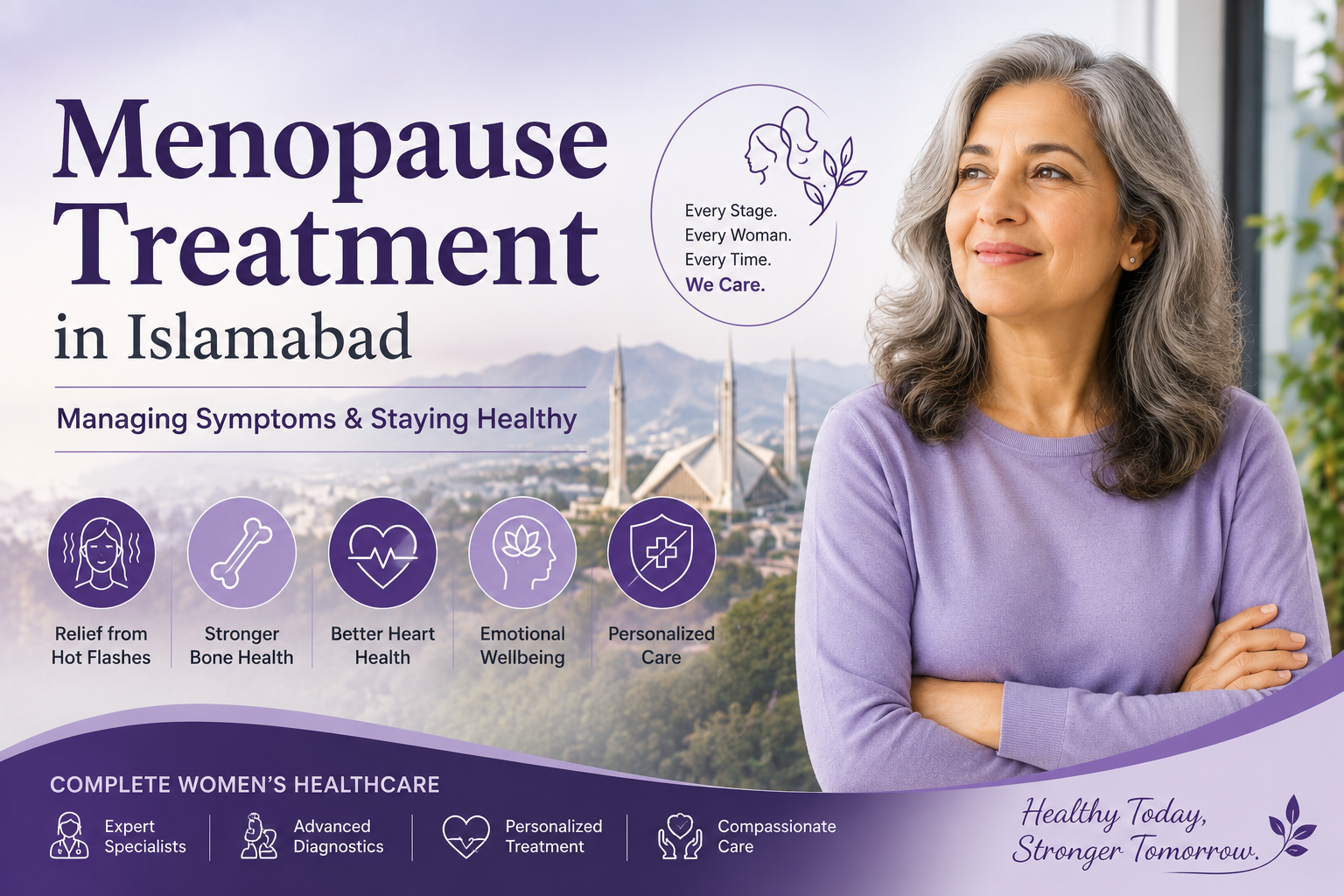
Menopause Treatment in Islamabad: Managing Symptoms & Staying Healthy
Even though menopause is one of the natural phenomena for women, the numerous physiological and psychological transformations that women experience during this period tend to be very disturbing for them. The hormones become unstable, resulting in such symptoms as hot flushes, sweating during nighttime, insomnia, mood swings and changes in periods. Each of the above symptoms is a sign of aging that occurs as a normal process; however, all of these can have a negative impact on a woman's daily life, self-confidence and quality of life. But, for many women, menopause is a condition they have to accept, and they don't need to. You can make some changes to your medicine, lifestyle and treatment and reduce the pain and live an active healthy life. It can be much easier to cope with menopause if you know what's happening and when to ask for assistance. With regards to Menopause Treatment in Islamabad, it's crucial to contact a knowledgeable gynecologist as your primary move. All treatments are unique and vary from woman to woman and will depend on her symptoms, medical experience and overall health goals, as each person's experience with menopause is different.
It is believed to be the best of its kind in the Reliance Hospital Islamabad/Rawalpindi and women during their menopausal period are given high value and personalized treatment by the skill and expertise of their gynecologists. From hormones and hormonal measurement, to prevention, lifestyle tips and cutting-edge treatments, we support women to make it through menopause with confidence and to keep them long-term healthy and well.
What does menopause means and Why Does it Occur?
The condition when the menstrual cycle comes to a permanent stop in the body of a woman is known as Menopause. It is officially diagnosed when a woman has had no period for a full year (12 months), and other medical reasons and pregnancy are ruled out.
The natural progression occurs because of the decline in the ovaries to shorter ovulatory intervals and lower levels of estrogen and progesterone, the hormones responsible for the menstrual cycle and reproductive function. With a lower amount of each of these hormones, various areas of the body react differently and this is where the many women's menopausal complaints come from.
Menopause is a perfectly normal biological process but the repercussions and the effects of menopause will vary from woman to woman. Some women experience few symptoms and some have many hormonal changes that need to be supervised by a doctor.
What is an Average Age when Menopause starts?
The typical age at which a woman undergoes menopause is 51 years; most women undergo menopause from ages 45 to 55. But for some reasons such as genetics, surgery, treatment, and some health conditions other women may enter menopause earlier than the normal situation. Menopause can happen at any time; once the woman starts going for regular gynecological tests, she will be able to manage her condition.
The different stages of menopause are:
Menopause doesn't occur at once! It occurs in stages, and there's a hormonal shift each stage is accompanied by. Knowing about these stages will give women insight into normal changes and when they must seek medical advice.
Understanding Perimenopause: Menopause Treatment in Islamabad
Perimenopause is the period leading up to menopause. It typically starts several years prior to cessation of menstrual periods, however, there is an individual variation.
The hormone levels change in the course of this stage, and changes in the monthly period are noticed. Menstrual bleeding may increase, decrease, last longer or be shorter before stopping.
Some women may have symptoms like:
Irregular menstrual cycles
Hot flashes
Night sweats
Mood swings
Difficulty sleeping
Fatigue
Reduced fertility
Dryness of vagaina
There are a range of symptoms that can happen over time and numerous degrees of difficulties. Some women may only have occasional fluctuations, others may have symptoms that interfere with their life. Scheduling regular checkups to a gynecologist can help track such changes and instruct women on effectively managing symptoms.
What is it that happens when menopause happens?
The absence of a woman's period for one year means she's gone through menopause. At this stage, the level of estrogen produced is reduced and there is no release of the egg by the ovaries.
The lowered levels of hormones can lead to an enhanced risk of a variety of health and wellness problems, such as:
Osteoporosis
Heart disease
Urinary problems
Dryness of vagaina
Many women continue to suffer from hot flashes, mood swings and other problems during this period. But each individual has some of these symptoms to varying degrees.
With the right menopause treatment in Islamabad at this stage, women can ease through the menopausal symptoms comfortably and ensure their long-term health.
Life After Menopause
Post menopause is the stage following menopause and lasts until the end of a woman’s life span.Most women find that their symptoms like hot flashes and night sweats slowly reduce with time. As estrogen diminishes, however, even small amounts will affect your bones, heart and bladder.
It is an era to focus on preventative medical care and check-ups. Women should take focus on:
Bone health
Heart health
Healthy nutrition
Regular exercise
Routine gynecological care
Preventive health screenings
By adopting a healthy lifestyle after menopause, the osteoporosis, cardiovascular risk and age related medical issues can be less. Women should also consult a experience gynecologist to help them diagnose any new symptoms and obtain the right treatment if necessary.
What's the First Sign of Menopause?
Perimenopause is where hormone fluctuations occur and these changes are the first sign of menopause. These changes can occur over a long period of time, and many women don't realize that there is a transition from women. Some women do not have any or very little symptoms, others may have symptoms that results in changes in their daily life, work, sleep and emotional state.
The first symptoms may include:
Irregular periods
Hot flashes
Night sweats
Difficulty sleeping
Mood swings
Vaginal dryness
Lower libido
Fatigue
Weight gain
Trouble remembering or concentrating
Not all women have all the symptoms and some symptoms may be worse for one woman than for another. Focusing on these early symptoms, and talking with her gynecologist, can help women deal with symptoms prior to the time they become more problematic.
What happens to your body when it goes through hormonal changes during menopause?
Several organs and body systems react to the change in hormones as the amount of estrogen decreases. That's the reason why menopause has an effect on much more than simply the reproductive system. Some women respond with physical discomfort, others emotionally and urinary symptoms that affect the quality of their life.
When women understand these changes, they can locate the suitable assistance and also make way of living modifications to boost their health and wellness and convenience.
Physical Health Changes
Physical changes affect many women during menopause and become more common as long as it continues .
Common Physical symptoms are:
Hot flashes
Night sweats
Joint/muscle pain
Frequent headaches
Weight gain
Dry skin
Hair thinning
Breast tenderness
Low energy levels
Hot flashes are one of the most common menopause symptoms. Can lead to a sudden onset of warmth throughout the face, neck and upper body, with sweating and chilling. Some women may have them on and off some days, some have several attacks in one day.
Hormone fluctuations also cause slimmer metabolisms and weight gain tends to creep back on especially on waistlines. Healthy habits of eating and excersing regularly can help maintain a healthy weight and lifestyle.
Changes Emotional Well-Being
Emotion due to hormone is also affected. . Before a woman's periods actually cease, many women experience mood changes.
Some common emotional symptoms include:
Anxiety
Irritability
Mood swings
Low motivation
Depression
Reduced confidence
Difficulty concentrating
Changes in these feelings are not necessarily signs of something wrong. This is typically because of hormonal changes. Remember that like physical complaints, emotional problems can be lasting, and in almost every instance need to be dealt with, rather than ignored when it begins to affect the way a person relates in his or her relationship, at work, and in everyday life.
Reproductive Health Changes
Another way menopause impacts vaginal and urinary health is by decreasing the elasticity and moisture of the vagina, due to decreased levels of estrogen.
Women may experience:
Vaginal dryness
Pain in intercourse
Recurring urinary tract infections.
Urinary urgency
Mild urinary leakage
Fortunately, most of these symptoms can be managed through appropriate treatment. Education of women on visiting the gynecologist early enough so that they know what their choices are will make things easy for them.
What Healthy Lifestyle Habits are Adopted that can Make the Menopause Phase Easier?
Even if menopause is part of the natural process of growing older, there are plenty of rituals that one can undertake in order to reduce many of its symptoms.. Those little lifestyle adjustments can lead to the big difference in life – energy, sleep, mood, and sustainable health!
While healthy habits can help minimize the effects of menopause, regular medical attention by women who apply themselves to these healthy practices can result in a smoother transition through menopause.
Staying Physically Active: Menopause Treatment in Islamabad
Exercise will have a beneficial impact on women's physical and emotional health as they enter the menopausal years. Exercise has also been found to promote bone health, heart health and to boost mood, along with helping to maintain a healthy weight.
Regular physical activity will benefit with:
How to stay healthy weight
Improvement of sleep quality
Supporting bone strength
Protecting heart health
Energy Level Improvement
Physical activity for at least 150 minutes weekly is good for bone and muscle health as well as strength training activities to keep a person healthy.
Improving sleep cycle
Night sweats, anxiety, hormones, and other reasons can cause difficulty in having good sleep for many women. Sleep is an important part of menopause since it impacts the health and psyche of the patient.
There are some helpful tips that can assist you in improving your sleep, such as:
Establishing a regular sleep schedule
How to have a cool, comfortable bedroom
Avoid taking caffeine for about one to two weeks prior to sleeping.
Limit the use of electronic gadgets prior to sleeping.
Relaxing exercises before going to bed
A good sleep routine will enable one to feel less tired, increase concentration, and boost mental well-being.
Stress Management
Menopause symptoms may be made worse by stress. Stress management to improve mood and to some extent, decrease the occurrence of hot flashes.
Healthy Stress-management techniques include:
Yoga
Meditation
Exercises involving deep breathing
Taking walks outside
Enjoying relaxing hobbies
Self-care provides women with a chance to care for the body and the mind throughout menopause.
Here are some reasons why good nutrition is important during the menopause:
During menopause, nutrition is important more than ever as the body's nutritional needs increase with reduction in hormone levels. Nutrient rich food can boost bone health, strengthens the heart, maintain muscle mass and can give energy.
This means women shouldn't be trying to follow a low carb diet or other restrictive diet, it's about the positive ways to eat that can be maintained long-term.
Calcium is essential for strong bones.Bones need calcium.
As hormone levels fluctuate in menopause, calcium is one of the essential nutrients to focus on as levels of estrogen diminish, and risks for bone loss increase.
Some good sources of calcium are:
Milk
Yogurt
Cheese
Green vegetables
Calcium consumption on a daily basis helps to keep the bones strong and prevents osteoporosis.
Vitamin D Support
The vitamin D is effective for calcium absorption in the body.
Good sources include:
- Safe sunlight exposure
Eggs
Fatty fish
Fortified dairy products
Your doctor may also prescribe vitamin D supplements if necessary.
Protein for Muscle Health
Through time, muscle mass in women is lost naturally. Protein is important in our food since it strengthens muscles and also helps in metabolism and recovery after swimming.
Some Protein-rich foods are mentioned as follow:
Chicken
Fish
Eggs
Lentils
Beans
Low-fat dairy products
Good fats can help to decrease inflammation all over your body.
Nutritious sources include:
Olive oil
Avocados
Nuts
Seeds
Fatty fish
Partially substituting saturated fats for more nutritious fats helps the health of your heart in the long term.
Increase Fiber Intake
Fiber is important for good digestion and might help to lower raised blood glucose and blood cholesterol. It also contributes in making women feel full for a longer period and will make it easier for them to maintain their weight.
Food that is rich in fiber includes:
Fresh fruits
Vegetables
Whole grains
Oats
Beans
But drinking a good amount of water throughout the day also helps in digestion and overall health.
You've gone through that menopause, so what can you do to save your bones?
Post-menopause is one of the greatest health issues, with a primary concern being decreased bone density. As the body's estrogen levels decrease, it is caused by a depletion of calcium and the bones grow thin and brittle. This puts you at higher risk of osteoporosis, which can lead to fracture of bones, particularly in the hips, spine and wrists.
The best part is, there are healthy habits to practice and medical check-ups to attend to help safeguard your bones and decrease the likelihood of future issues.
In females, the ways in which the health of bones can be promoted include:
Getting sufficient calcium from foods
Sufficient vitamin D is important.
Performing weight-bearing exercises
Stable weight , or maintaining a healthy weight
Avoid smoking
Alcohol consumption should be limited
Ensuring books health checks are scheduled regularly.
Simples exercises like walking, climbing stairs and light strength training or some dancing will help to promote strong bones, help maintain balance, which will help prevent falling. Your gynecologist may recommend a “bone density” test if you have other risk factors for osteoporosis.
Preserving good bone health now can help to keep you active and independent later on.
Why Heart Health is Very Important During Menopause?
A large number of women are often shocked when they discover that after menopause, women are more vulnerable to contracting heart diseases. The function of estrogen hormone is significant in the maintenance of good condition of the heart and blood vessels; but then, as the amount of estrogen hormone reduces, there are higher chances of getting heart diseases such as high blood pressure..
Any health plan should have enough provision for heart health.
A few healthy habits that promote good heart health include:
Maintaining a well balanced diet
Being physically active
Keeping your blood pressure in check
Cholesterol levels under control
Control of diabetes
Not smoking
Your physician may ask you to undergo various blood pressure and cholesterol test along with other preventive test.
Heart health is necessary to make you feel better and stay energetic and active during the post-menopause years.
How Can Menopause Affect Your Mental and Emotional Health?
During the menopausal phase, there are changes more than just physically. Emotional, memory and concentration can also be affected by the hormonal changes. Some women have very slight emotional symptoms, while others may have symptoms which interfere with their work, relationship and daily responsibilities.
Some women may have:
Anxiety
Mood swings
Irritability
Depression
Difficulty concentrating
Memory lapses
Reduced motivation
These emotions are acceptable and normal – and are not an embarrassment.Women should consult their health care provider about these symptoms, and find out if they are due to menopause or something else.
Emotional health can often come as a result of healthy living. Frequent exercise, good sleep, reduced stress, increased socializing and fun hobbies will keep your brain healthy. For those who experience symptoms or symptoms that are more severe a second treatment/counselling session with a gynecologist may be appropriate to further improve quality of life.
What are the available options for menopause treatment?
Every woman’s experience of menopause is unique and therefore requires personalized treatments that will suit her needs and improve her well-being. One must not forget about those symptoms which you may experience and your overall health condition. Sometimes, the relief from menopausal symptoms can be achieved through minor modifications in your life and sometimes much more serious treatment is needed. You must consult an expert who will provide you with the right treatment.
In search of menopause treatment in Islamabad, an expert gynecologist will be able to suggest you a customized care plan according to your health needs.
Healthy Lifestyle
Though, women who suffer from mild menopausal symptoms can benefit a lot from practicing healthy lifestyles.
Doctors commonly recommend:
Having a well balanced diet
Exercising regularly
Being a healthy weight or different weight
Better sleeping patterns
Controlling stress levels
Hydration
With these healthy lifestyles, not only will you be able to reduce the effects of menopause, but you can keep yourself healthy physically and psychologically.
Non-Hormonal Treatments
Hormone therapy is not needed by all women. Others women do not want to use hormonal methods or have medical conditions in which hormonal therapy is not appropriate.
Depending on the symptoms that you have, your doctor may suggest treatments to help with:
Hot flashes
Night sweats
Mood changes
Sleep disturbances
Vaginal dryness
These therapies can help to enhance comfort, while also providing a boost to your health and well-being.
Hormone Replacement Therapy
One of the best treatments for moderate to severe menopause symptoms is hormone replacement therapy (HRT). This does this by relieving some of the oestrogen (and sometimes progesterone) depletion that happens during menopause.
HRT can be used to help relieve:
Hot flashes
Night sweats
Vaginal dryness
Sleep disturbances
Mood changes
Bone loss
Most women who use HRT under medical care have improved their lives.
Should every woman consider taking hormones?
While HRT can give many women great relief, this is not appropriate for every woman. A gynecologist thoroughly examines a woman's pathology history before advising her to use HRT to assess the benefits and risks.
Your doctor will take into account issues like:
Your age
Number of years since menopause started
Personal medical history
Having a close relative with breast cancer.
Risk of blood clots
Heart health
Overall lifestyle
Your gynecologist will recommend the safest, most appropriate option for treatment, based on this evaluation. Safe, effective hormone therapy requires individual care and women should never take hormone therapy without a proper consultation with a professional.
Reliance Hospital gynecologists are knowledgeable about their duties and provide a detailed evaluation and tailoring of treatment to help women choose the most appropriate method for their health, comfort and improvement.
Who to See for Menopause Problems in Islamabad?
While menopause is a natural process in women's lives, there are certain symptoms that can make living without medical assistance very challenging. Though many women wait until their symptoms start interrupting their daily lives, getting the early help will make going through the transition much easier and help with their health in the long run.
It is advisable to make an appointment to see a menopause specialist if you have the following symptoms:
Symptoms are felt to be quite bad or frequent hot flushes.
Vaginal bleeding that is heavier or longer than usual.
Early menopause ("hot flashes") at less than 40 years old.
Anxiety, or depression that continues for long periods of time.
Pain during intercourse
Chronic UTIs.
Things that interfere with their ability to function during the day due to sleep disturbances
Symptoms that disrupt work, family and general functioning.
A gynecologist will be able to calculate what is wrong and what should be treated, and will make sure you don't experience any issues such as osteoporosis or heart disease. Periodic check-ups may also provide women with a chance to discuss any changes in their health and may offer a suggestion particular to women at each stage of menopause.
Why choose Reliance Hospital for Menopause Treatment in Islamabad?
Your selection of the appropriate healthcare supplier will go a long way toward ensuring that you cope with menopause as comfortably as you're able to. At Reliance Hospital, we know that every woman deserves to be treated with compassion, clear medical information and the treatment she deserves during this significant period in her life.
Our gynecologists know each woman will have different symptoms during menopause. We do this because we want to make sure that we assess your symptoms, medical history, lifestyle and health goals and then offer an individually formulated treatment plan. From hot flashes to hormonal fluctuations, sleep problems to vaginal dryness and more comprehensive care, our experts are here to help you every step of the way.
Reliance Hospital provides contemporary women healthcare facility in advanced diagnostic facility, hormonal assessment, and preventive healthcare screening, evidence based treatments. Within our patient-centred approach all women are treated respectfully, compassionately and completely confidentially in a comfortable environment.
Women looking for menopause treatment in Islamabad can rely on Reliance Hospital to provide thorough healthcare with an emphasis on not just alleviating symptoms but also promoting long-term wellness. Preventive care, routine gynecologic evaluations and healthy lifestyle counseling is promoted for women to maintain strong bones, a healthy heart and an active lifestyle after menopause.
Reliance Hospital remains a reliable haven for menopausal healthcare for women of Islamabad and Rawalpindi with their skilled doctors, advanced facilities, customized consultations and providing patients with quality healthcare at every stage.
Conclusion
Menopause is a natural process that all women go through; however, it should not interfere with the way a woman feels, what she wears, or how she lives her life. Understanding the changes which are taking place during this period will help women make wise decisions concerning their health and seek help when needed. Managing such conditions as hot flashes, mood swings, bone health, and heart problems, among others, can significantly improve one's life.
You should look for doctors who have experience in dealing with the symptoms of menopause when choosing a menopause treatment center in Islamabad since they are able to provide you with safe and effective management of your symptoms and maintain your health. Healthy lifestyle, good nutrition and individually planned treatment regimes are essential for good health, and regular visits to the gynecologist before, throughout and after menopause are also important.
Reliance hospital’s gynecologists offer customized treatment of menopause for each and every individual patient. Their diagnostic techniques, hormonal testing, preemptive health screenings and personalized care ensure that women approach menopause with confidence and peace of mind.
If you are looking for a women's healthcare provider in Islamabad Rawalpindi then Reliance Hospital is a reliable choice whether you have queries regarding too many hormonal changes, Hormone Replacement Therapy, routine gynecology services, or a long term treatment after menopause. Make an appointment today and make the next step towards a healthier, more comfortable future.