
Annual Women's Health Checkup in Islamabad: Why Every Woman Should Schedule One
By Dr. Hira Tanveer · Gynaecology & Obstetrics
Prioritize your well-being with an annual women's health checkup in Islamabad. Get preventive screenings, expert care, and early detection at Reliance Hospital.
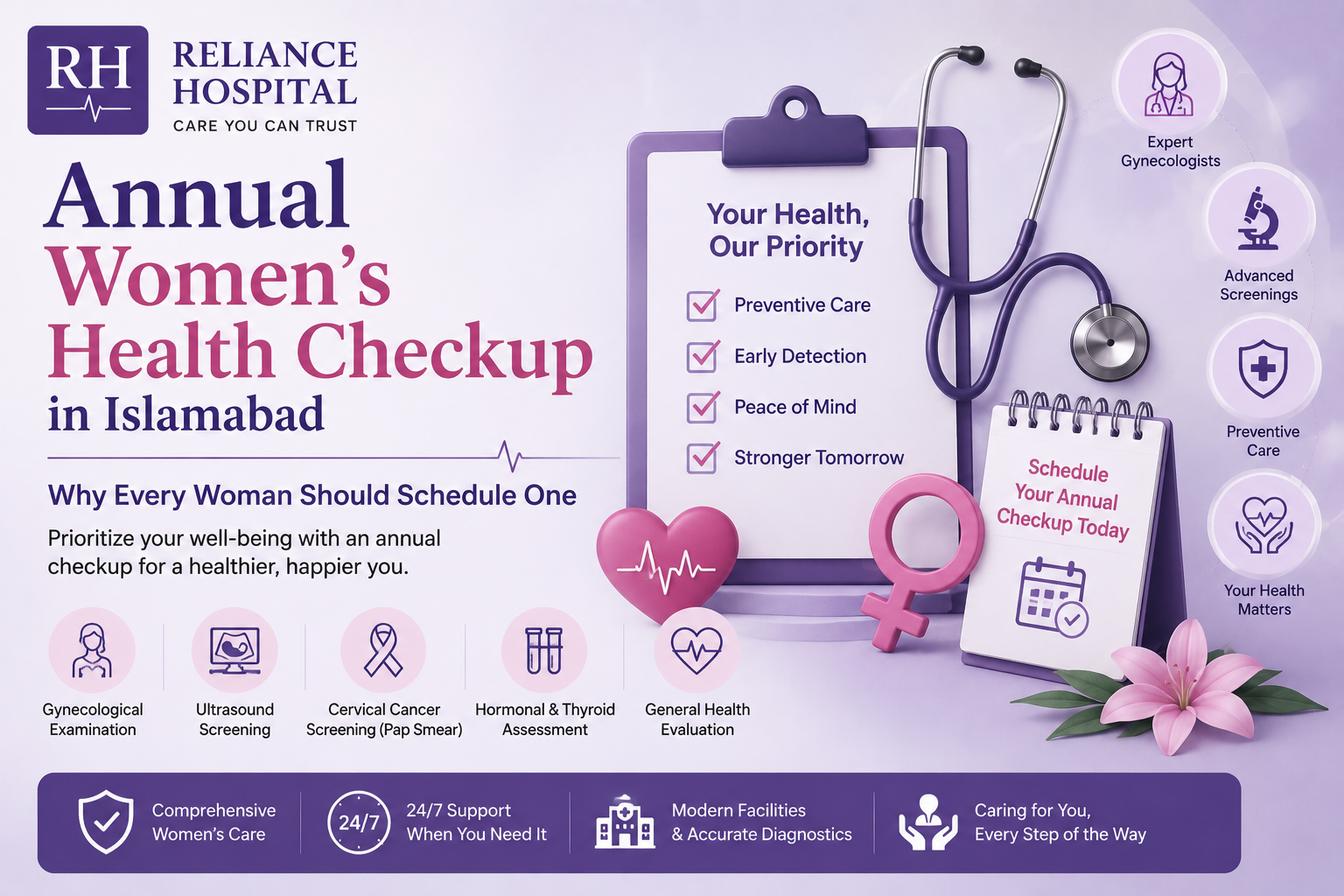
Annual Women's Health Checkup in Islamabad: Why Every Woman Should Schedule One
Pakistani women visit a gynecologist when they have any health concerns such as irregular menstruation, pain in the pelvis, discharge or problems with conception. Nonetheless, the late visit may lead to delayed diagnosis of certain diseases.
Women's health checkup Islamabad helps Pakistani women to monitor their reproductive system, hormonal balance and many more aspects of their health.
A regular gynecology examination will enable the doctor to analyze the health of the patient and give advice according to the patient's age and other personal health aspects.
The Reliance Hospital in Islamabad offers healthcare services to women. This hospital offers skilled gynecologists, ultrasonography, sophisticated diagnostic techniques, a developed pediatric laboratory, among other special services that can help women in their life .
Why Annual Women's Health Checkups Matter
Gynecological diseases usually have an onset that is gradual and may not be accompanied by any symptoms at all during its initial stages. Screening for gynecological disorders enables a doctor to be able to recognize the early indicators of the condition and give the patient proper treatment before it leads to complications.
Some of the things checked during a yearly examination include:
Menstrual problems
Hormonal issues
Reproductive problems
Infection symptoms
Breast cancer issues
Genetic risks
Cervical Cancer Prevention
Cervical cancer is one of the leading health concerns for women at present. Cervical cancer screening involving Pap smear and HPV testing, where necessary, plays a role in detecting cervical diseases at an early stage.
Preventive gynecology services involve the identification of cervical abnormalities prior to their development. Counseling on HPV vaccines and regular screenings are part of the cervical cancer prevention plan.
Breast Disease Screening
Good breast health is critical for the wellbeing of women. Breast exams will assist in monitoring breast abnormalities and the need for further tests.
The discussion during a women’s health examination involves:
Breast awareness
Breast abnormalities in family members
Breast size, shape, or appearance changes
Lump or pain in breasts
Monitoring of Reproductive Health
Women have varying reproductive health concerns at different stages in their lives. Routine visits allow the doctors to monitor their fertility, menstrual health, pregnancy preparations, and conditions that could be affecting their reproductive system.
Routine reproductive health screening allows women to get proper counseling on:
Fertility issues, Contraception, Pregnancy preparation, Menstrual issues, Reproductive system health.
Hormone Health Checkup
Many of the conditions experienced by women depend on the hormonal balance in their body, such as their menstruation, fertility, metabolism, and emotional stability.
Family Planning Services
Professional advice is crucial for women planning to conceive because it helps determine what needs to be done to have a healthy pregnancy process. The gynecologist will examine a woman’s health conditions, discuss lifestyle-related factors and suggest necessary measures.
Family planning services will help women choose the best course of action in regard to reproduction and prepare for future pregnancies.
Menopausal Services
The changes associated with menopause might influence the quality of life of a woman. It is important to receive regular gynecological check-ups because they will help address symptoms such as:
Hot flushes
Mood fluctuations
Sleep problems
Vaginal dryness
Menstrual irregularities
How Often Should Women Visit a Gynecologist?
Yearly visits of women to gynecologists are crucial in spite of the absence of any symptoms or problems. The frequency of visits depends on a number of things such as age, state of health, pregnancy, or individual peculiarities of women. However, frequent visits let women get preventive medicine and avoid problems.
Teenagers
Gynecological care can be useful for teens who have concerns regarding:
Irregular periods
Painful menstruation
Changes in hormonal levels
Puberty-related questions about health
The gynecologist will teach teenagers about period health, good hygiene, and a healthy lifestyle.
Women of Childbearing Age
Women in their late teens to early 40s need monitoring for:
Menstrual cycles
Reproductive wellness
Need for contraception
Family planning needs
Hormonal issues
Annual visits help women maintain their health through prevention of diseases.
Pregnant Women
Women who are pregnant require special prenatal health care depending on how far along they are in their pregnancy.
This is so that they can be examined and risks identified. High-risk pregnancies will require monitoring.
Perimenopausal Women
The problem of hormonal imbalance occurs in women who are near menopause age.
Post-Menopausal Women
Women after menopause need to undergo regular gynecological examinations for checking the following:
Bone condition
Pelvic condition
Breast condition
Conditions arising from menopause
Doctors advise screening on a case-to-case basis.
What Is Included in an Annual Women's Health Checkup?
The first step of a women’s health consultation involves a detailed discussion about medical history. Doctors review important information that helps them understand health risks and recommend suitable care.
During this discussion, a gynecologist may evaluate:
Menstrual cycle patterns
Pregnancy history
Previous gynecological conditions
Family history of reproductive or breast-related diseases
Previous surgeries or treatments
Current medications and health concerns
Understanding medical history helps doctors provide personalized preventive gynecology care according to each woman’s needs.
Routine Gynecological Exam
Routine gynecological exams allow healthcare practitioners to examine general health aspects that affect the well-being of females.
The routine exam can involve:
General physical exam
Measurement of blood pressure
Evaluation of weight
Measurement of body mass index
Review of lifestyle choices
Healthcare practitioners also review the issues concerning menstrual cycles, fertility aspirations, and symptoms that need more attention.
Pelvic Exam
A pelvic examination allows doctors to assess the state of the reproductive system of females.
In this exam, doctors can evaluate the following:
State of uterus
State of ovaries
Presence of infections
Pelvic pain causes
Breast Examination
Breast exam is an essential element of preventive healthcare for women. Doctors check breast health and talk about any changes which women need to consider.
The breast exam can detect problems like:
Unusual lumps
Pain in breasts
Changes in breast shape
Family history issues
Also, doctors instruct women on breast self-awareness and the necessity of reporting any unusual changes.
Hormonal Assessment
Hormones influence the menstrual cycle, fertility, metabolic functions, and overall health. The hormonal assessment helps to figure out concerns connected with hormonal changes.
Doctors evaluate hormonal concerns in cases like the following:
Polycystic ovary syndrome (PCOS)
Thyroid disease
Menopausal symptoms
Fertility issues
Irregular periods
The early assessment allows women to get proper assistance in maintaining hormonal balance.
Lifestyle Assessment
The lifestyles of women have an impact on their health status as well as reproductive capacity. The discussion on healthy living practices is undertaken during the yearly appointment with the health provider.
These areas should be considered as follows:
Dietary intake and nutrition
Physical activity
Managing stress levels
Quality of sleep
Smoking hazards
Recommended Women's Health Screenings by Age
At various stages of their lives, women require various types of healthcare screenings that will ensure proper health and prevention of certain medical disorders.
Ages 13-21
Young women may need gynecological advice, particularly when they have certain problems associated with menstruation or hormonal fluctuations.
Possible topics for healthcare discussion:
Menstrual health education
Treatment and prevention of painful or irregular periods
Counseling on HPV vaccination
Sexual health education
Healthy lifestyle discussion
Such an early approach allows young women to learn more about their bodies and establish healthy healthcare habits.
Ages 21-29
At such ages, women often need reproductive health monitoring regularly.
Possible recommendations for healthcare providers:
Pap smear screening according to recommendations
STI screening if required
Contraceptive counseling
Menstrual health examination
Reproductive health evaluation
Regular visits to a healthcare provider allow women to maintain reproductive health properly.
Ages 30-65
Women aged 30-65 usually require comprehensive gynecological screening according to their health history and risk factors.
Possible recommendations for healthcare providers:
Pap smear screening
HPV testing
Breast examination
Hormonal evaluation
Fertility evaluation if required
Reproductive health examination
Women may discuss issues related to pregnancy planning, PCOS treatment, and menopause preparation at such ages.
Age 65+
Female patients over 65 still need routine medical appointments. The emphasis is on keeping healthy and addressing age-specific problems.
These may consist of:
Assessment of the risks of osteoporosis
Management of menopausal health issues
Evaluation of pelvic floor condition
Further screening of breasts and cervix as recommended by doctors
Pap Smear and HPV Screening: Why They Are Important
The Pap test is done to find out about any abnormal cervical cells, whereas the HPV test is done to find out about HPV that could cause cervical cancer.
Pap smear
The Pap smear is a test that helps the doctor determine the presence of abnormal cervical cells and prevent their progression into something more severe.
Pap smears help:
Detect abnormal cervical cell changes
Prevent cervical cancer
Medical intervention in time
Cervical screening is an important component of a women's preventive healthcare.
HPV screening
The human papillomavirus is a common infection in women and may lead to the development of cervical cancer.
HPV screenings help:
Used for the Detection high-risk HPV infections
risk of cervical cancer is determined
Propose proper treatment and follow-up
Women should consult a gynecologist about an appropriate testing schedule, considering age and other health factors.
Breast health screening in women
Breast examination is a vital element of overall women’s health care. This procedure allows one to determine normal alterations in breast tissue as well as those that need medical assistance.
Breast screening includes:
Clinical breast examination
Breast health check
Risk assessment
Mammogram proposal (when needed)
Age, family history, and personal health risks are considered when recommending appropriate screening methods.
Common Conditions Detected During Annual Checkups
Annual gynecological visits help doctors identify and manage several common women’s health conditions.
Polycystic Ovary Syndrome (PCOS)
PCOS affects hormonal balance and may cause:
Irregular periods
Acne
Weight changes
Fertility challenges
Early diagnosis helps women manage symptoms through lifestyle changes and medical support.
Fibroids
Fibroids are noncancerous growths that develop in the uterus. They may cause:
Heavyl bleeding during menses
Pelvic pressure
Pain
Fertility concerns
Doctors use clinical evaluation and imaging services to assess fibroids.
Ovarian Cysts
Ovarian cysts may develop due to different hormonal changes. Doctors monitor cysts through evaluation and ultrasound when required.
Endometriosis
Endometriosis occurs when tissue similar to the uterine lining grows outside the uterus. It may contribute to:
Pain in pelvic region
Painful menstrual cycle
Fertility difficulties
Consultation from an early stage is essential for receiving proper treatment.
Thyroid Diseases and Hormonal Problems
Your thyroid disease could be associated with your menstrual cycle, metabolism, weight, and reproductive capacity. Hormonal testing is useful in identifying this problem.
Cervical Diseases
Routine Pap smear tests and HPV testing will help detect cervical abnormalities.
Menopause-Related Issues
Women approaching or experiencing menopause may require support for:
Hot flashes
Sleep problems
Mood changes
Hormonal changes
When Should Gynecological Examination Start for Women?
Gynecological examination should be started by women from the age of 13 to 15 or even earlier in case of having any problems with menstruation, hormones and reproductive system functions.
It is good for women to have conversations about health early on in order to better understand their body and get professional consultations when necessary.
Women’s Health Services at Reliance Hospital Islamabad
Locating a reliable health institution is crucial for ensuring good health. Reliance Hospital offers a variety of health services related to women's health for patients residing in Islamabad and Rawalpindi.
The hospital ensures that women receive healthcare services at various stages of their lives in a professional and well-equipped environment.
Experienced Gynecologists and Obstetricians
Consultation with experienced gynecologists and obstetricians at Reliance Hospital helps in dealing with a number of issues that affect women's health, including:
Routine gynecological checkup
Problems in pregnancy days
Fertility issues
Menstrual issues
Hormonal issues
Personalized Healthcare Plan for Women
Each woman has individual requirements when it comes to her health care. Doctors provide personalized healthcare plans keeping in view their age and other aspects.
Preventive Screening Programs
There are preventive healthcare facilities available to women that can promote early detection and overall health maintenance.
Such facilities include:
Gynecological checkup
Screening programs
Women’s well-being screening
Health assessment
Advanced Diagnostic Facilities
The Reliance Hospital offers women’s health care with advanced diagnostic facilities, such as:
Advanced ultrasound tests
Laboratory tests
Diagnosis tests
These facilities allow doctors to make accurate assessments and proper treatment plans.
Pregnancy Monitoring and High-Risk Pregnancies
The hospital also provides pregnancy management services for pregnant women and those with high-risk pregnancies.
Fertility and Family Planning Consultations
This hospital also gives Guidance on:
Family planning choices
Fertility issues
Reproductive health counseling
ICU and NICU Facilities
The Reliance Hospital offers ICU for emergency situations and NICU for baby care whenever monitoring is needed.
Modern Health Care Facilities and Packages for Women
The hospital also has modern health care facilities and cost-effective women's health packages for making quality health care accessible to women who require a women's health checkup Islamabad or gynecology treatment in Rawalpindi.
When to Make an Appointment for Your Annual Gynecological Examination?
Women are advised to make scheduled appointments despite being in good health as they serve as a way of detecting any health problems early.
However, if you experience any of the following issues, it is advised that you see a doctor:
Irregular menstruation
Excessive menstruation
Pelvic pain
Fertility problems
Symptoms of menopause
Breast changes
vaginal discharge
An annual checkup will help keep track of your health and get proper consultation from gynecologist before minor issues develop into bigger ones.
Frequently Asked Questions
Why is it important for women to undergo gynecological examinations each year?
Such periodic visits make it possible to detect diseases at the earliest stages and ensure reproductive health and proper performance of all necessary tests. It also gives the opportunity to discuss any menstrual or hormonal problems or fertility disorders.
How often should women see a gynecologist?
The majority of women need to make sure that they have an appointment with a gynecologist once a year regardless of the absence of any complaints. The specialists might provide other schedules depending on various factors.
Which test is performed during a standard women's health exam?
The standard test includes the collection of the medical history, physical test, pelvic test (when needed), breast test, Pap smear, HPV test, hormone test and lifestyle test.
When do women need to start visiting gynecologists regularly?
Women usually start receiving gynecological care from the age of 13 to 15 years or from the moment when they have any problems connected with menstrual, hormonal and reproductive health issues.
Where to get a women's health checkup in Islamabad?
The Reliance Hospital offers all kinds of check-ups, gynecology tests, preventive care, advanced diagnostic tests, and specialized healthcare plans to the women of Islamabad and Rawalpindi.
Conclusion
Annual women's health checkup Islamabad offers women a chance to ensure protection of their reproductive health, hormones, and well-being. It helps the doctors detect the problems at an earlier stage, suggest the required tests, and offer individualized advice during all phases of life.
Preventive healthcare includes regular gynecology exams, gynecology screenings, reproductive health screenings, and women's wellness screenings. An annual visit to a gynecologist will help you detect problems like PCOS, hormonal issues, abnormalities in the cervix, and any other problem related to menopause.
Reliance Hospital provides excellent women's healthcare Islamabad services, with experienced gynecologists, advanced ultrasound diagnostics, laboratories, pregnancy treatment, fertility consultation, an intensive care unit (ICU), a neonatal intensive care unit (NICU), and complete women's health packages. Women searching for women's health checkups in Rawalpindi and Islamabad can seek professional services according to their healthcare requirements. Preventive gynecology remains one of the best ways to maintain lifelong women's health.